


It’s Friday the 13th! This week we're thinking about how online surveys shape economic perceptions, why the EU might be the place for policy impact, and what climate policy uncertainty costs us. Here's what caught our attention:
Why does it feel like things are always getting worse? That’s a deep question, but in the short term, part of the problem might be the internet: people who answer the University of Michigan Consumer Sentiment survey online tend to rate the economy as worse than otherwise similar people who respond by phone. Accordingly, UMich’s switch to online surveys in 2024 means that their consumer sentiment index might be about 9 percentage points lower today than it would be if we still answered surveys by phone. — Matt Clancy
One of AGF’s goals for 2026 is to learn more about the landscape of abundance and growth politics in the European Union, and to think about how we can support European policymakers and activists who want to build more housing, produce more energy, and generally grow faster. In that vein, I quite liked this anonymously-authored piece by European Commission staffers, arguing that members of the effective altruism community should actively seek employment at the Commission and in other EU institutions. The US policy landscape is characterized by pretty weak, understaffed offices for legislators and executive officials, plus a huge number of advocacy groups and think tanks. In Europe, that’s all much more centralized in governments and the EU themselves, meaning actually working at places like the Commission can be a very powerful route to impact. And if you’re an EU resident interested in these questions, please email me! — Dylan Matthews
What could the EU learn from housing incentive design ideas in the US? Progress Ireland notes growing US interest in flexible infrastructure funding grants awarded on a per-housing-unit basis. US policymakers have had to overcome Census data challenges on actual annual housing production to develop per-unit funding titration in bipartisan proposals like the Build Now Act; if the EU has the right data infrastructure, then tying EU infrastructure funds for high-opportunity metros to housing production in those metros could help both the politics and the practices of pro-growth reform. — Alex Armlovich
The EPA just repealed the endangerment finding – the 2009 determination that greenhouse gases endanger public health and welfare, and the regulatory foundation for US climate policy under the Clean Air Act. Philip Rossetti at R Street has a helpful take on the legal battles likely to follow, and why sound regulatory design beats legal whipsawing. Timely: a working paper out last month (bite-sized summary here) finds that this type of climate policy uncertainty reverberates through the economy, depressing firms’ investment and R&D, reducing output, and raising prices. — Willow Latham-Proenca
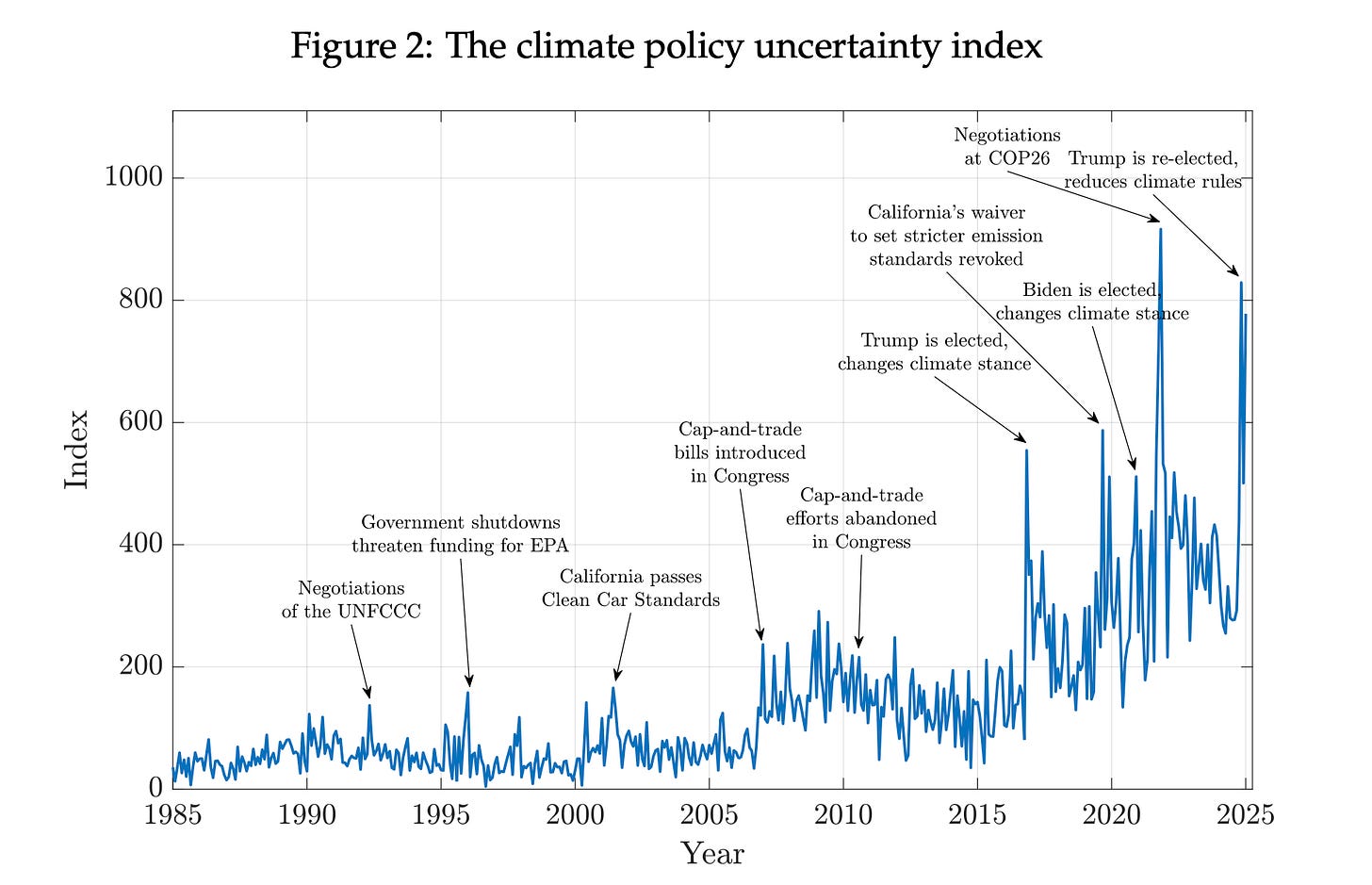
Figure from this working paper This week I’m working my way through Asterisk Magazine’s newest issue on science, which has many excellent pieces relevant to folks working on innovation policy. Click for Jolie Gan’s exploration of the increased importance of legibility and communication infrastructure as labs start looking beyond federal funding; stay for Abhishaike Mahajan’s conversation with Clara Collier about the role of AI across preclinical, clinical, and postclinical biology; and keep refreshing the tab for Karthik Tadepalli’s forthcoming history of ITRI, the Taiwanese government R&D lab that spun out TSMC. — Jordan Dworkin
Childcare is a domain where technological progress doesn’t help reduce costs that much, because labor costs are such a big part of the story. If you want no more than 4 kids per adult, you’re always going to have to pay at least 25% of someone’s wages. But that doesn’t mean we shouldn’t try to lower costs where we can. Searchlight Institute points to one seemingly easy fix: more states should let daycares operate above the ground floor. — Matt Clancy, Former Daycare Worker
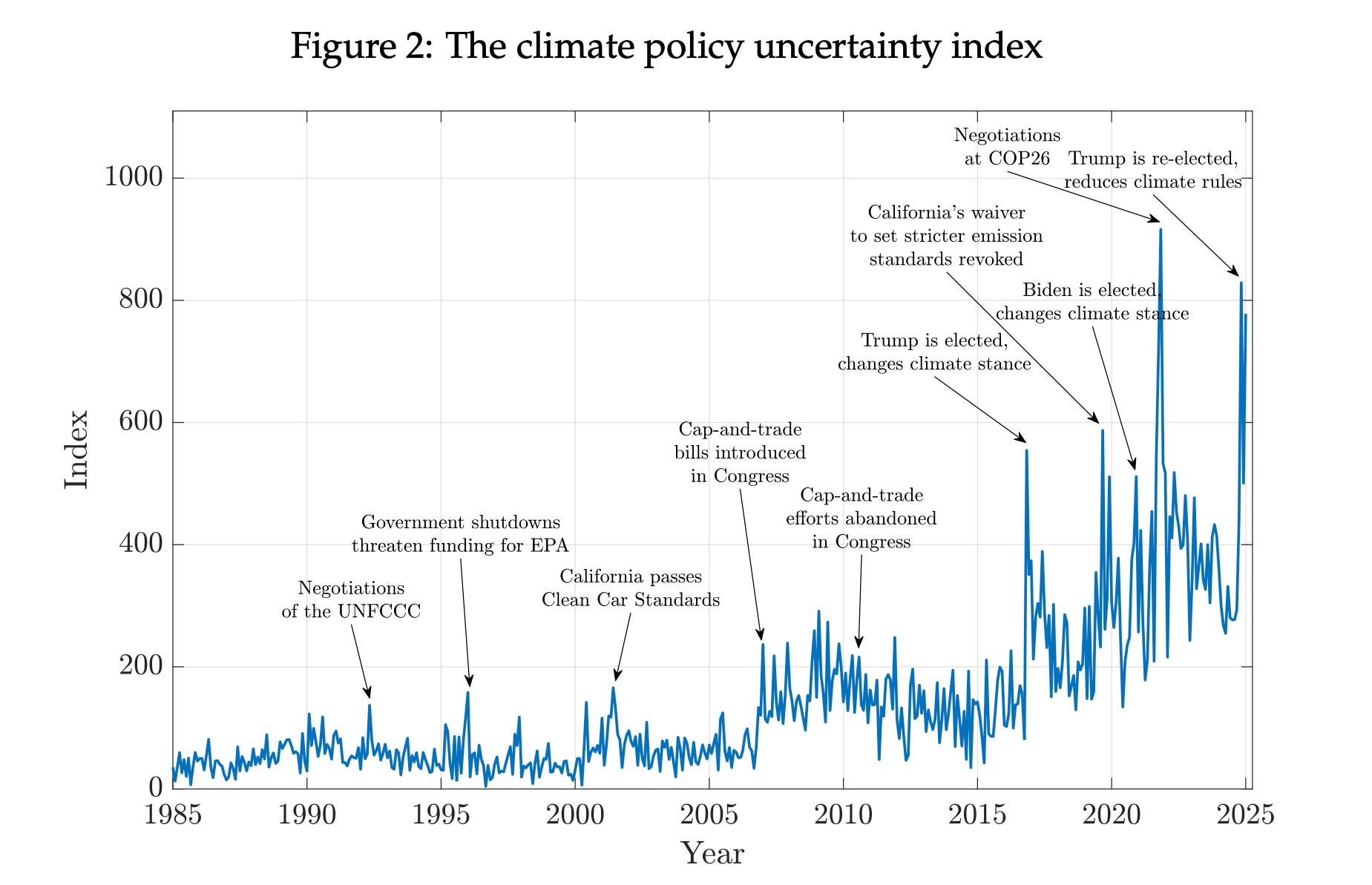
We’re also excited to share some updates from our team and grantees. Open NY stood alongside Governor Hochul and Mayor Adams to support modernizing environmental review. UK Research and Innovation opened their second round of metascience research grants. And Renaissance Philanthropy launched Pilot City, connecting cities with local academic expertise through matchmaking events.
On the clinical trials front, several of our grantees teamed up to launch Clinical Trials Abundance, a new joint blog on making trials more efficient. Saloni Dattani is leading the effort and also published The Case for sharing clinical trial data this week.