


Instead of our usual roundup, this week we had each member of the team pick a text that fundamentally shaped how they think about the work we do. Here's what brought us here:
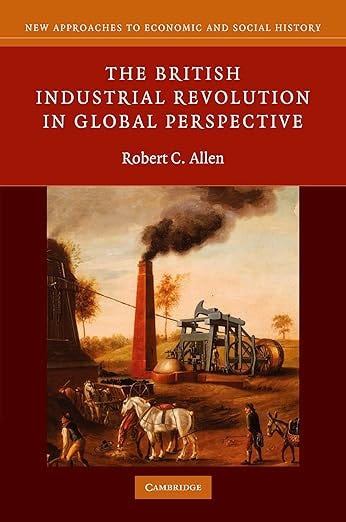
Matt Clancy: The British Industrial Revolution in Global Perspective. Why did the Industrial Revolution happen in the UK and not somewhere else in Europe? Allen argues it’s down to economics. It’s only worth doing all the work to develop a steam engine if you expect people will want to buy it, and that will only happen (initially) in places where the cost of labor is expensive and the cost of coal is cheap. The UK qualifies, but most of the rest of Europe didn’t. Allen’s book was the first serious work I read about innovation and it changed my whole career. Not because of Allen’s specific argument, which I’ve subsequently been convinced wasn’t a big part of the story. Instead, it was the notion that technological progress - which I already believed was the big lever of rising material prosperity in human history - had causes which could be both understood and influenced. Eighteen years later, I’m still working on that.
Dylan Matthews: The Land of Too Much: American Abundance and the Paradox of Poverty. My first obsession in public policy was the problem of poverty in the rich world: why, in a nation as wealthy as the United States, do people still have to endure homelessness and hunger? It’s a particularly big question for the US specifically, where poverty rates (especially if defined in “relative” terms) are significantly higher than in peer countries. The most provocative and mind-expanding explanation comes from this 2012 book by sociologist Monica Prasad. America's unusual level of poverty is ultimately the result, she claims, of our outrageous levels of agricultural productivity in the late 19th century. That surge in production led to an agrarian populist movement which demanded not a strong safety net but extensive access to credit. Loans and government redistribution are both ways that people are able to spend money they don't immediately have access to, and the US chose to embrace debt over social insurance, with far-reaching consequences to this day. The value to me, though, is less in the argument’s specifics than in its ability to demonstrate the importance of seemingly ancient policy decisions in shaping the structure of American society today. That suggested that setting up better policy basics now, the way AGF’s grantees seek to, could prove massively high-value.
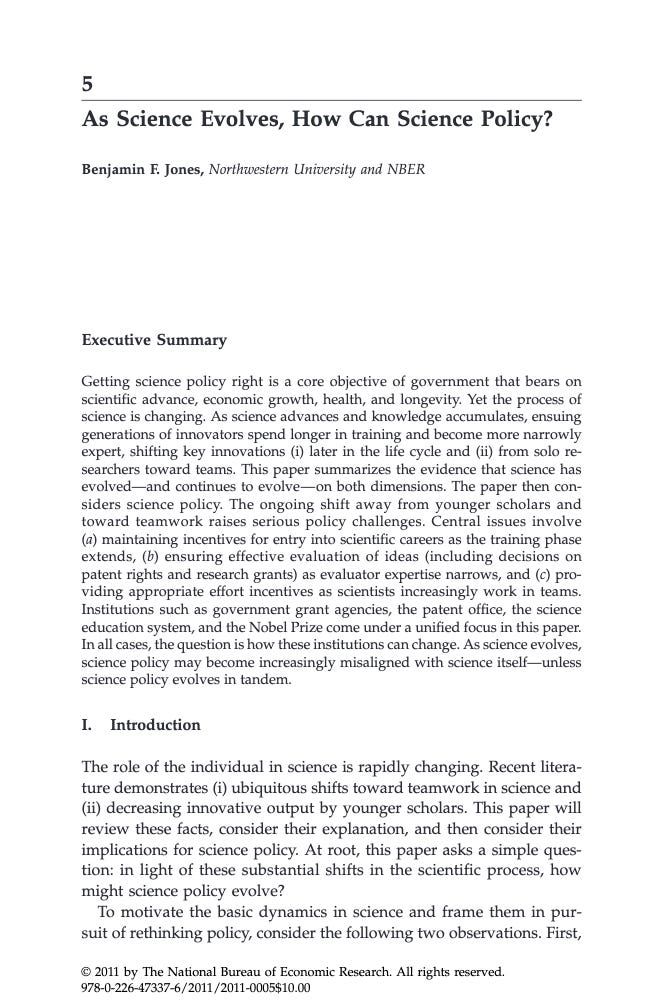
Jordan Dworkin: As Science Evolves, How Can Science Policy? Coming up in science, my peers and I enjoyed critiquing the institutions in which we worked, and occasionally used our computational skills to probe and quantify the scientific ecosystem. But that exercise often stopped short of attempting to fully understand the structures and incentives that produced the inefficiencies we critiqued, or identifying the paths that might be charted out of them. In the mid-2010s, the work of a growing economics-of-science community helped me start to bridge that gap. This 2011 NBER Innovation Policy and the Economy chapter by Ben Jones was particularly influential. Building on his then-recent “burden of knowledge” theory, Ben laid out the evidence that knowledge accumulation was leading to increased specialization, more extended training, and an emerging dominance of team science. But he also took the important step of grappling with how science policy would need to rethink grant mechanisms, evaluation systems, and incentive designs to adapt to the changing enterprise. There was a lot of that grappling in the roughly three-year period surrounding his piece; in hindsight, 2011-2013 saw the publication of many now-classic ideas that shape metascience today.
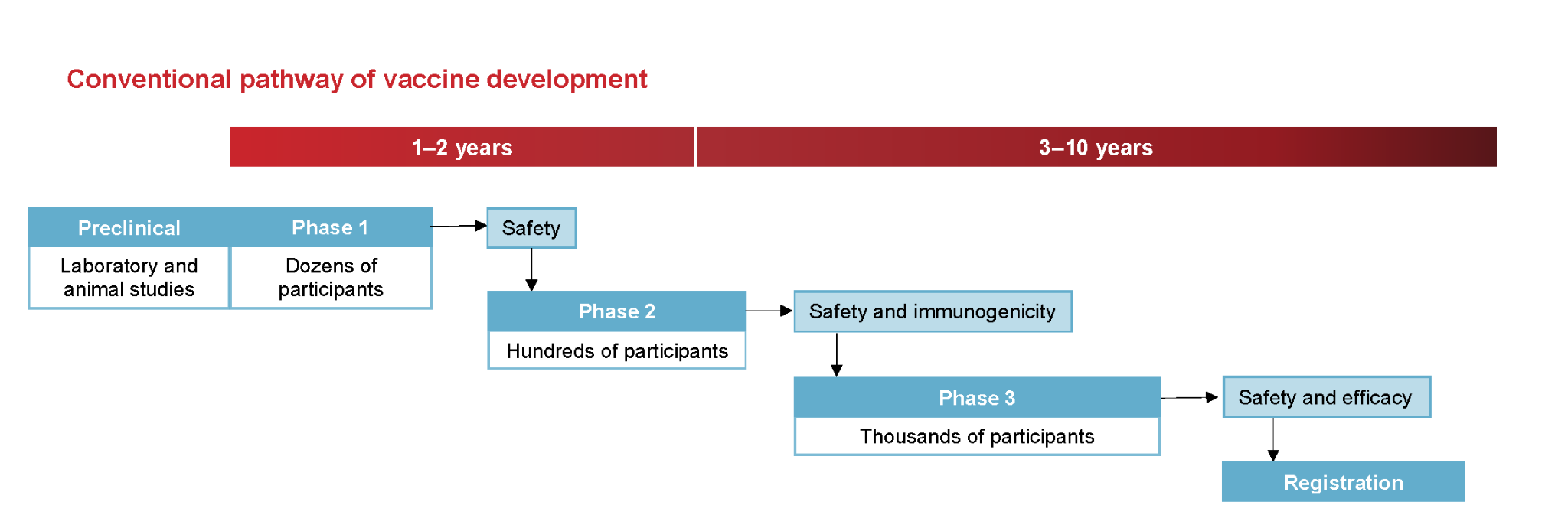
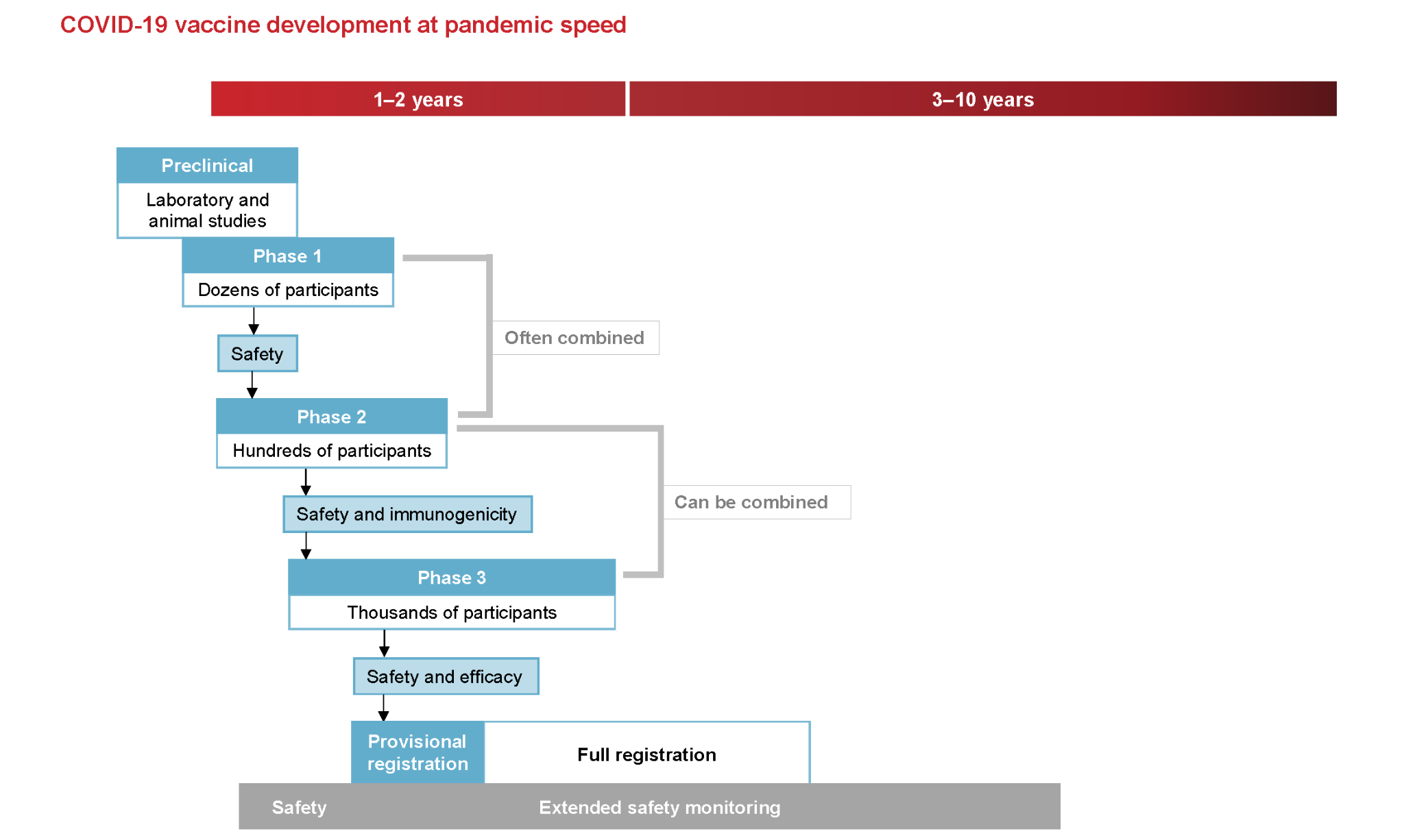
Saloni Dattani: I don’t have a foundational text that drew me to clinical trial reform. I learnt about the topic during the Covid-19 pandemic. It was surprising how efficient some pandemic clinical trials were and, despite it being an emergency situation, it seemed to me that a lot of these processes could have been applied more widely. The RECOVERY trial, for example, tested around a dozen drugs within two years and quickly identified treatments estimated to have saved over a million lives. The COVID-19 vaccine trials ran much faster than usual, thanks to parallelized phases, rolling regulatory reviews, Operation Warp Speed, and other reasons I outlined in a piece forecasting when the vaccines would arrive. Some pieces I found memorable from the time were a book chapter on the history of clinical trials in the US and how AIDS activists reshaped the FDA, and an episode with Martin Landray, who co-led the RECOVERY trial. I’d also read Stuart Ritchie’s book Science Fictions, on bias and poor research practices in science, and Ben Goldacre’s Bad Pharma. Both made me wonder about ways to improve scientific rigor while limiting bureaucracy, which I wrote about in a piece later on.
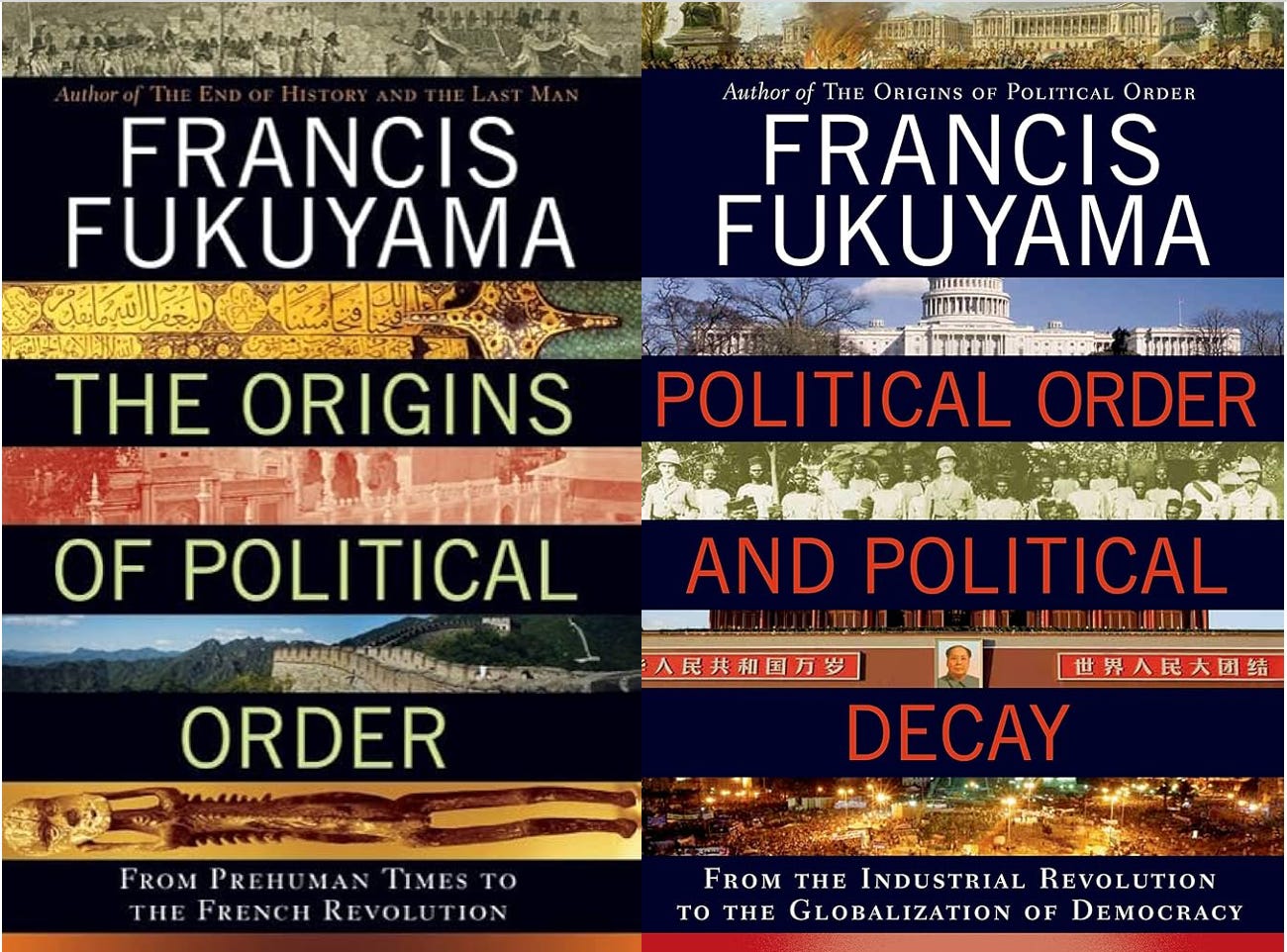
Willow Latham-Proenca: Political Order and Political Decay: From the Industrial Revolution to the Globalization of Democracy. I frequently argue that Francis Fukuyama is an under-acknowledged intellectual godfather to the abundance movement. He coined the term “vetocracy” to describe America’s dysfunctional approach to building things back in 2013, and has written some of the most cogent descriptions of American institutional decay (as well as some of the most elegant defenses of modern liberal democracy) in the decade since. His classic Political Order duo is not just a fascinating tour of societies throughout history but a convincing argument on a universal framework of good governance. This was the first thing I read that really brought the tension between state capacity and the rule of law to life for me – the idea that the norms and institutions that allow the state to function effectively (think the Chinese bureaucracy throughout history, or the Ottoman devshirme) and those that prevent state overreach (the medieval English court system…or the US regulatory system) aren’t just items on a “good government” checklist, but self-sustaining leviathans that require active competition to avoid overgrowth.

Alex Armlovich: How Skyscrapers Can Save The City (2011). Ed Glaeser introduced almost everything YIMBYism is today in this Atlantic feature published years before the first modern YIMBY grassroots groups were even founded. This single paragraph’s math, zoning, and even building code comments are still the core of the YIMBY analysis:
Building up is more costly, especially when elevators start getting involved. And erecting a skyscraper in New York City involves additional costs (site preparation, legal fees, a fancy architect) that can push the price even higher. But many of these are fixed costs that don’t increase with the height of the building. In fact, once you’ve reached the seventh floor or so, building up has its own economic logic, since those fixed costs can be spread over more apartments. Just as the cost of a big factory can be covered by a sufficiently large production run, the cost of site preparation and a hotshot architect can be covered by building up. The actual marginal cost of adding an extra square foot of living space at the top of a skyscraper in New York is typically less than $400. Prices do rise substantially in ultra-tall buildings—say, over 50 stories—but for ordinary skyscrapers, it doesn’t cost more than $500,000 to put up a nice 1,200-square-foot apartment. The land costs something, but in a 40-story building with one 1,200-square-foot unit per floor, each unit is using only 30 square feet of Manhattan—less than a thousandth of an acre. At those heights, the land costs become pretty small. If there were no restrictions on new construction, then prices would eventually come down to somewhere near construction costs, about $500,000 for a new apartment. That’s a lot more than the $210,000 that it costs to put up a 2,500-square-foot house in Houston—but a lot less than the $1 million or more that such an apartment often costs in Manhattan.
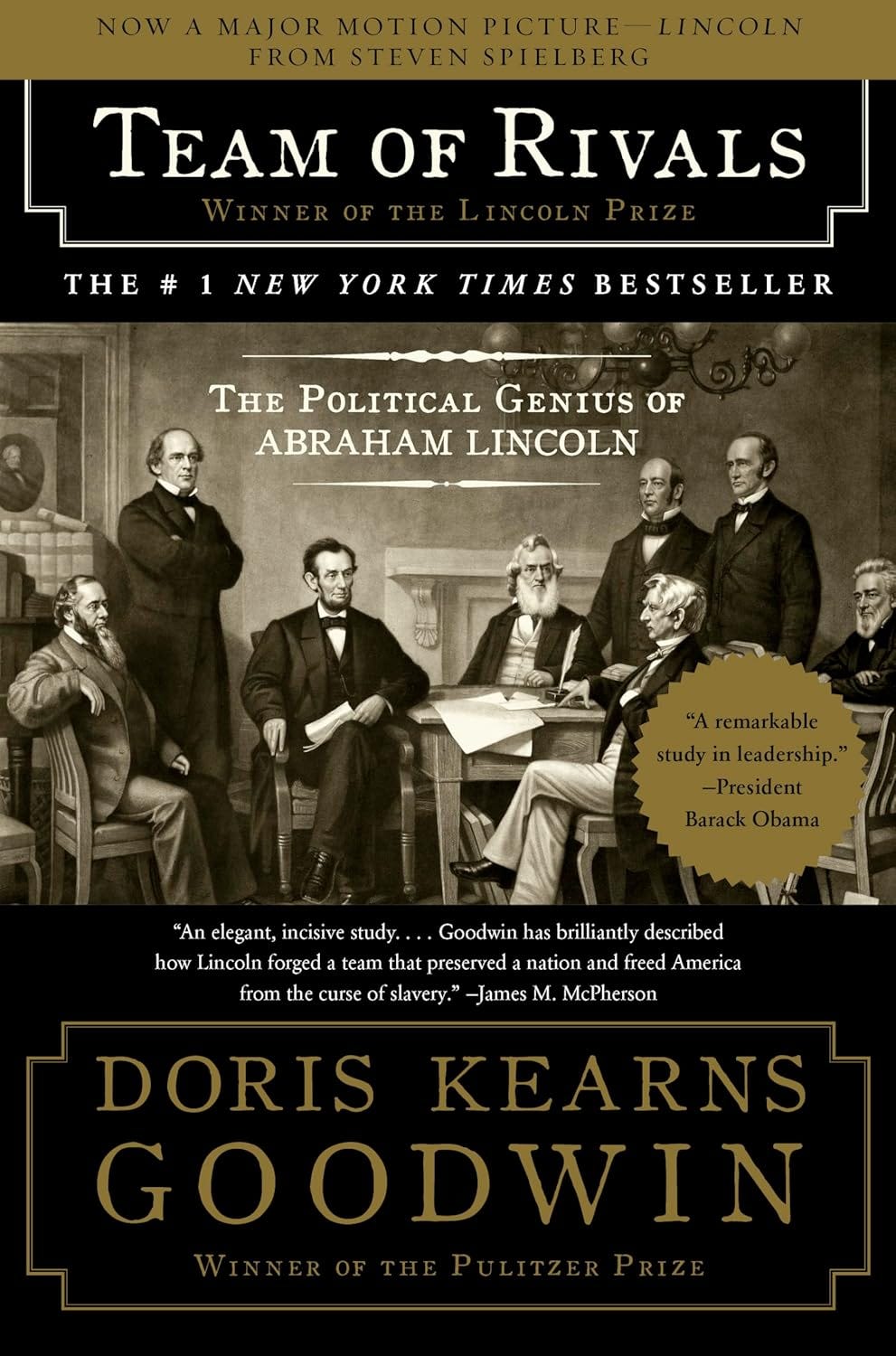
Nisha Austin: Around the time when I started getting into ‘Abundance’ (in the way we all think about it here), my mother-in-law gave me Robin Wall Kimmerer’s The Serviceberry. I think she was trying to piece together exactly what I was so excited about and landed on a bestseller about abundance in nature, reciprocity, and community (things I am admittedly also excited about!). Not quite a book about permitting reform or building state capacity, but it turned out to be more relevant than I expected. It named something I’d been circling: that abundance is relational, that all flourishing is mutual, and that wealth means having enough to share. The other book I keep coming back to is Doris Kearns Goodwin’s Team of Rivals and the issues Lincoln grappled with: What do we owe the extraordinary institutions we inherited? How do we hold them together through profound disagreement? How do we keep building when the whole project feels fragile? All of these questions are still relevant. Ultimately, I came to this work from a lot of different directions, but the thread connecting all of it is stewardship of the places, institutions, and systems that let people flourish. Kimmerer reminds me that abundance only matters if it’s shared, while Lincoln reminds me that the answer is never settled. Every generation has to show up and do the work.
The word “vetocracy” is far older than the 2013 attribution to Francis Fukuyama. I have been using it since before 1980, as it is part of the "tragedy of the anti-commons" that we see all the time. By the 1980s, it became clear that every crazy activist group was achieving veto power over rational decision-making on major issues like nuclear power and permission to do anything (like housing in California). In the 1970s, nuclear power was competitive with coal, but with the advent of the NRC and parasitic activist organizations, the economics were killed. That time is money is not just a saying, and giving veto power to every person wanting control doesn't work.
Note that CO2 and oil wouldn't have become significant issues today if nuclear power could have continued down the decreasing-cost curve created by increasing scale.
The books I have read on this list are so foundational to my thinking (Allen, Fukuyama in particular) I had to go out and get the rest. Thanks!